← All projects

Wearable / Health Tech

Noddy

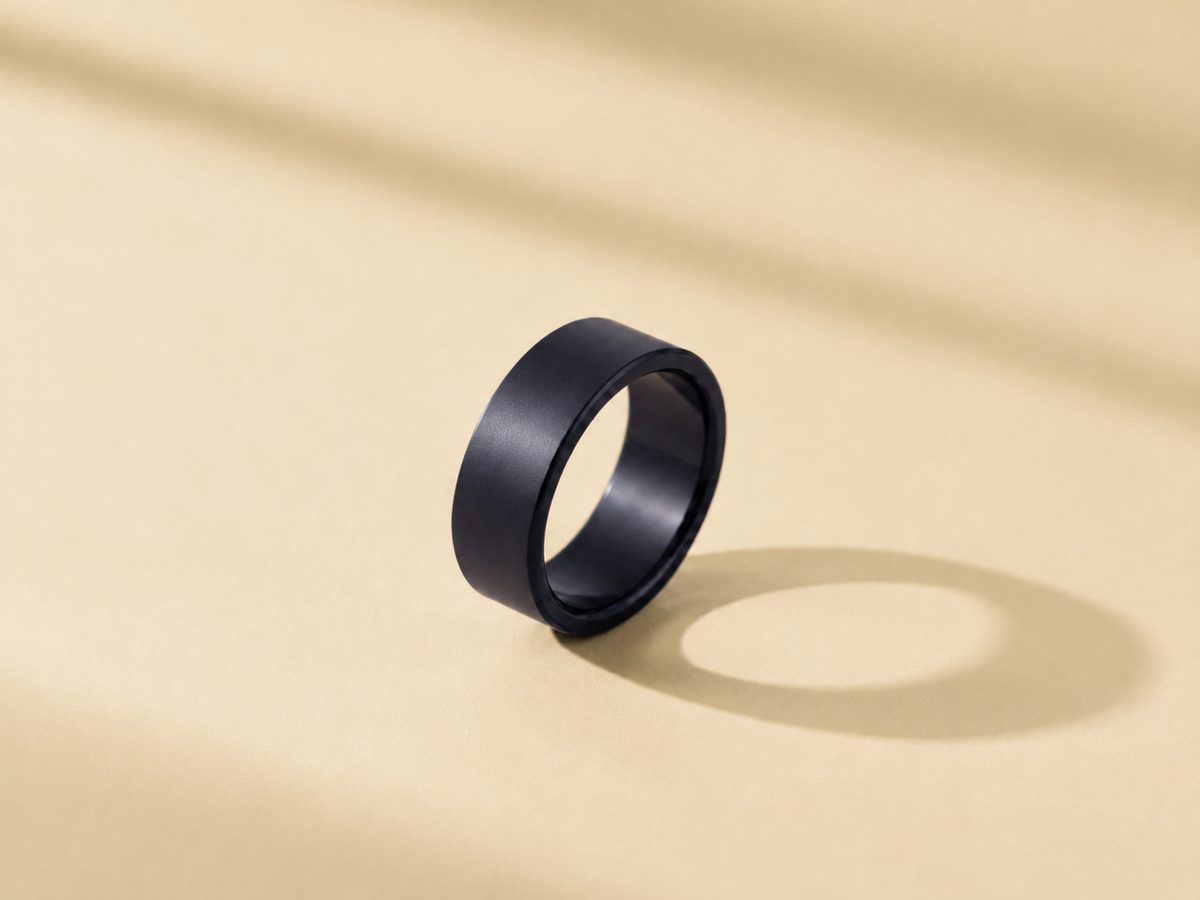
A smart sleep ring concept for low-friction at-home sleep apnea screening, designed around the tradeoff between clinical confidence and overnight comfort.

Noddy — Wearable / Health Tech
01

Overview

Noddy is a smart sleep-apnea screening concept designed to make at-home monitoring more comfortable and easier to understand.

The project combined user research, competitive benchmarking, product positioning, target requirements, and an app / wearable concept. My strongest contribution was synthesizing the research and competitor landscape into a clearer product position around comfort, accessibility, and screening confidence.

Role
Product Research · Positioning · Requirements
Timeline
Fall 2025 · Sep–Dec 2025
Team
5-person product development team
Tools
Figma · Competitive Analysis · Product Research
Scope
User research → competitor benchmark → positioning → requirements → concept prototype
02

Problem

How might we help people notice possible sleep-apnea risk earlier without requiring an uncomfortable clinical setup?

Existing sleep-apnea options sit at opposite ends of the experience.

Clinical testing can provide stronger diagnostic confidence, but it is more burdensome and episodic. Consumer wearables are easier to use continuously, but they are not designed to diagnose sleep apnea.

Our opportunity was to explore whether a comfortable ring could sit between those two experiences as a screening tool — not a replacement for clinical diagnosis.

03

Research / Evidence

  • Insight

    Interview participants often wanted a simple answer about whether their sleep pattern was concerning, rather than a dashboard full of raw sleep metrics.

    Across 8+ user interviews.

    Product implication

    Prioritize clear screening guidance and plain-language interpretation over dense sleep analytics.

  • Insight

    Comfort and setup friction were recurring concerns in existing sleep-testing and wearable experiences.

    Product implication

    Treat form factor as a product requirement, not a styling decision.

  • Insight

    Our benchmark of five clinical and consumer solutions showed a persistent tradeoff between accuracy, comfort, accessibility, and continuous use.

    Product implication

    Position Noddy around comfortable multi-night screening while keeping the boundary to clinical diagnosis explicit.

04

Key Decisions

D01

Position Noddy as screening support, not a diagnostic replacement.

Why
The concept did not have clinical validation, and consumer wearables should not imply diagnostic certainty that has not been proven.
Tradeoff
The claim is less dramatic than positioning the product as a diagnostic device.
Result
The concept stays focused on identifying possible risk and encouraging users to seek appropriate clinical evaluation.
D02

Use a ring form factor instead of a wrist or chest-based device.

Why
User research and competitor benchmarking highlighted comfort and overnight friction as major experience constraints.
Tradeoff
A smaller form factor creates tighter sensing, battery, and hardware constraints.
Result
Comfort became a core product requirement alongside sensing performance.
D03

Design for multi-night patterns rather than one isolated night.

Why
A single night can provide a narrow snapshot, while the concept was intended to support ongoing at-home screening.
Tradeoff
The product becomes a monitoring experience rather than a one-night test.
Result
The product direction shifted toward trend-based screening and simpler longitudinal interpretation.
05

Product Concept

Ring concept

A wearable ring designed for overnight use with integrated physiological sensing and a magnetic charging concept.

App experience

The companion app concept included onboarding, device pairing, sleep and breathing summaries, risk interpretation, trends, and a path toward sharing information with a clinician.

Target requirements

The team defined target benchmarks to guide future feasibility work, including ≥90% sensitivity and specificity and a target cost of ≤$250.

These were design targets, not validated performance results.

Project artifact

Team project deck documenting the product concept, research, competitive landscape, target requirements, and prototype direction.

View project PDF ↗
06

Outcome / Reflection

What the project established

  • 8+ user interviews informing comfort and usability requirements
  • Competitive benchmark across 5 clinical and consumer solutions
  • Product position around the accuracy / comfort / accessibility gap
  • Target sensing and cost requirements
  • Ring and companion-app concept
  • Project deck / PDF

What still needs validation

  • Sensitivity and specificity against polysomnography
  • Overnight comfort with a functional ring prototype
  • Signal quality across different users and sleeping conditions
  • Battery performance
  • Whether flagged users seek clinical care
  • Regulatory and clinical pathway requirements
Product learning
In health-tech products, the boundary of what the product can claim is part of the product definition, not just the marketing copy.
Key tradeoff
Comfort versus sensing confidence: a smaller, lower-friction wearable is only valuable if future technical testing shows that the signal quality is good enough for the intended screening use.
What I'd do next
Build a functional sensing prototype and benchmark ring-based measurements against a validated sleep-study method before making any consumer-facing accuracy claim.